

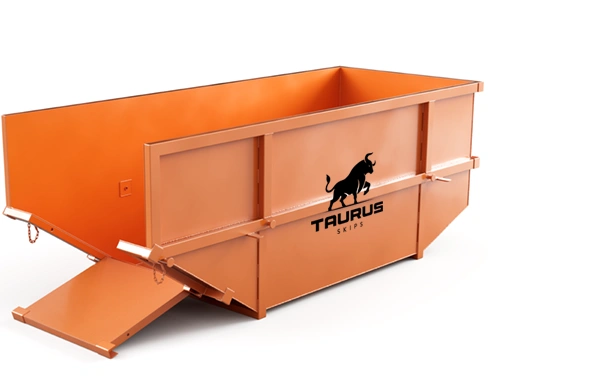
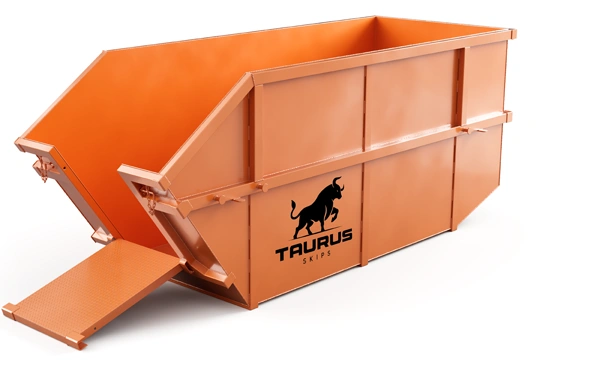
Skip Bin Dimensions
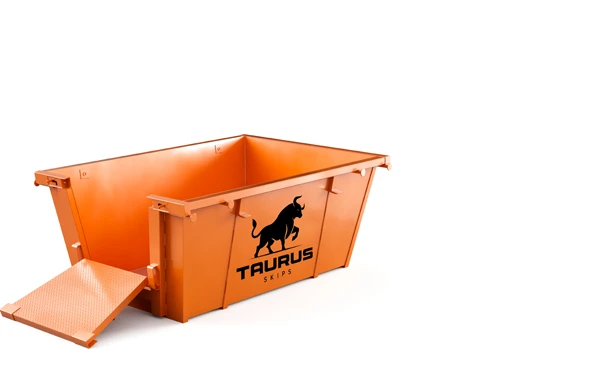
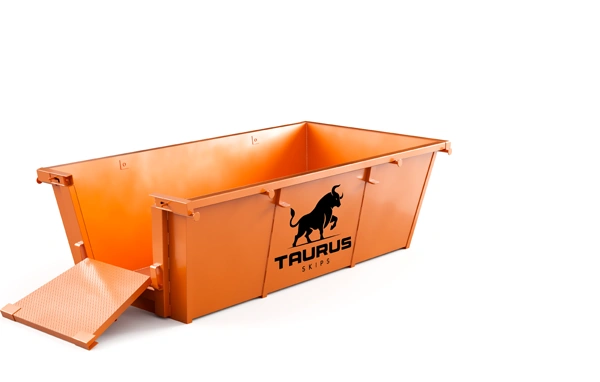
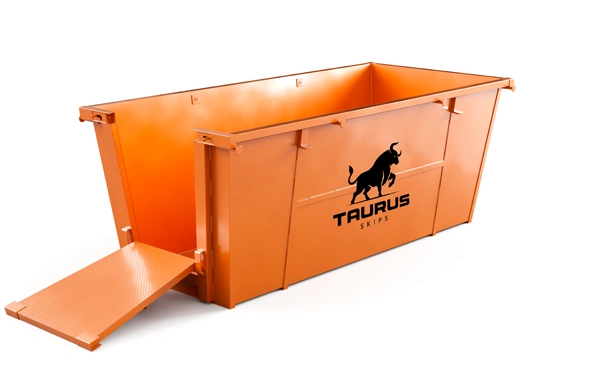
| Size | Length | Width | Height | Approx. Wheelie Bins | Approx. Trailers |
|---|---|---|---|---|---|
| 3 Cubic Metres | 2.6 Metres | 1.5 Metres | 1.0 Metres | 12 Wheelie Bins | 3 Trailers |
| 4 Cubic Metres | 3.3 Metres | 1.5 Metres | 1.0 Metres | 16 Wheelie Bins | 4 Trailers |
| 6 Cubic Metres | 3.7 Metres | 1.6 Metres | 1.4 Metres | 24 Wheelie Bins | 6 Trailers |
| 8 Cubic Metres | 4.2 Metres | 1.6 Metres | 1.6 Metres | 32 Wheelie Bins | 8 Trailers |
| 12 Cubic Metres | 4.6 Metres | 1.6 Metres | 1.8 Metres | 48 Wheelie Bins | 12 Trailers |
Frequently Asked Questions
When choosing a skip bin size, consider the amount and type of waste you need to dispose of.
For smaller projects like decluttering a single room or cleaning out a garage, a 3 cubic metre skip bin is often sufficient. These sizes are suitable for general household waste, including furniture, appliances, and green waste.
Larger projects like clearing out an entire house, renovating, or landscaping may require a 4, 6, or even 8 cubic metre skip bin. These sizes can accommodate larger items like mattresses, construction debris, and garden waste.
If you are unsure of the size you need, it’s always best to give Scott a call, he will be able to assess your amount of waste and provide a recommendation on appropriate size based on your specific needs.
While 3 cubic metre skips are popular for smaller projects, the 4 cubic metre skip is often considered the most popular standard size due to its versatility and capacity to handle a wide range of waste types. It’s suitable for general household clean-ups, furniture removal, and small-scale renovations.
However, for larger projects like clearing out an entire house, renovating, or landscaping, bigger sizes like 6 or 8 cubic metre skips might be necessary. These can accommodate larger items and greater volumes of waste.
To calculate the size of a skip bin needed, you need to estimate the volume of waste you have:
Visualise: Imagine your waste as a rectangular pile and estimate its length, width, and height in metres.
Calculate: Multiply the three dimensions to find the volume in cubic metres (m³):
Length (m) x Width (m) x Height (m) = Volume (m³)
Factor in Packing Inefficiency: Since waste doesn’t pack perfectly, add 30% to the calculated volume to account for air gaps and irregular shapes. For heavy materials like bricks and concrete, add 50%.
Example:
If your waste pile is estimated to be 2 metres long, 1.5 metres wide, and 1 metre high:
Volume: 2m x 1.5m x 1m = 3m³
With 30% added for packing inefficiency: 3m³ x 1.3 = 3.9m³
In this case, a 4 cubic metre skip bin would be a suitable choice.
The right skip bin size for garden waste depends on the amount and type of waste you have:
Small Jobs (2-3 cubic metres): This size is suitable for general garden maintenance, pruning, and small landscaping projects. It can typically hold several bags of leaves, grass clippings, small branches, and plant trimmings.
Medium Jobs (4-6 cubic metres): Ideal for more extensive garden cleanups, tree pruning, or removing larger plants. This size can accommodate bulkier garden waste like logs, and larger branches.
Large Jobs (8 cubic metres or more): Consider this size for major landscaping projects, or clearing overgrown areas. It can handle significant amounts of green waste, including large branches.
The right skip bin size for commercial projects depends on the type and volume of waste generated. Also, there are different types of skip bins, some are better suited to residential projects whilst others suit commercial projects better. Here is a summary of details that are useful to know:
Small Projects (4 cubic metres): This size is suitable for office cleanouts, minor renovations, or disposing of general waste from small businesses. It can typically hold several bags of rubbish, old furniture, and small appliances.
Medium Projects (6-8 cubic metres): Ideal for larger office cleanouts, shop fit-outs, or minor construction projects. This size can accommodate bulkier waste like old shelving, construction debris, and larger furniture items.
Large Projects (12 cubic metres): Consider this size for major renovations, shop fitouts, roofing jobs, and fencing projects demolition projects, or large-scale construction sites. It can handle significant amounts of waste, including timber, plasterboard, furniture concrete, bricks, and metal scrap.